
This weekend at Le Mans Classic Legend, Artcurial Motorcars is running two auctions at once – and the structure of the thing tells you more about the collector-car market than any single hammer price will.
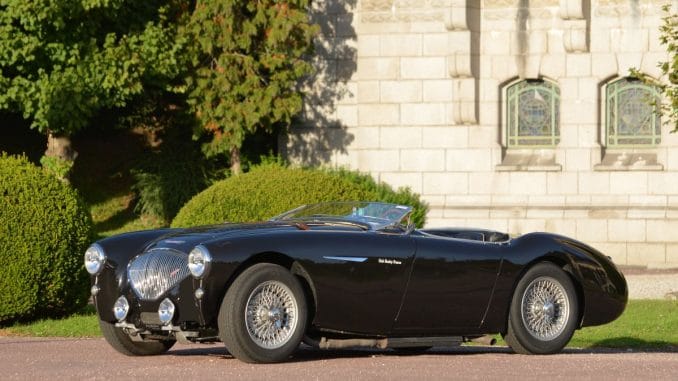
The first sale is the marquee event: an official auction under the Artcurial tent in the heart of the paddock, Friday evening, stocked with endurance-racing royalty. The second runs quietly alongside it – an online-only sale of roughly 60 cars spanning 125 years of motoring and racing history, on public display at the Exhibition Centre, with nearly 90 percent of the lots offered at no reserve and a stated aim of welcoming first-time buyers.
Hold those two sales side by side, because that’s the market in one image: a white-glove stage for the seven-figure cars, and a fast, low-friction, no-reserve pipeline for everything else. The industry’s centre of gravity keeps moving toward the top – and its answer for the rest of the field is increasingly online, unreserved, and efficient. If you’ve been reading our work on the Great Collector-Car Handoff, you’ll recognize the shape.
The headline cars – and what they’re really selling
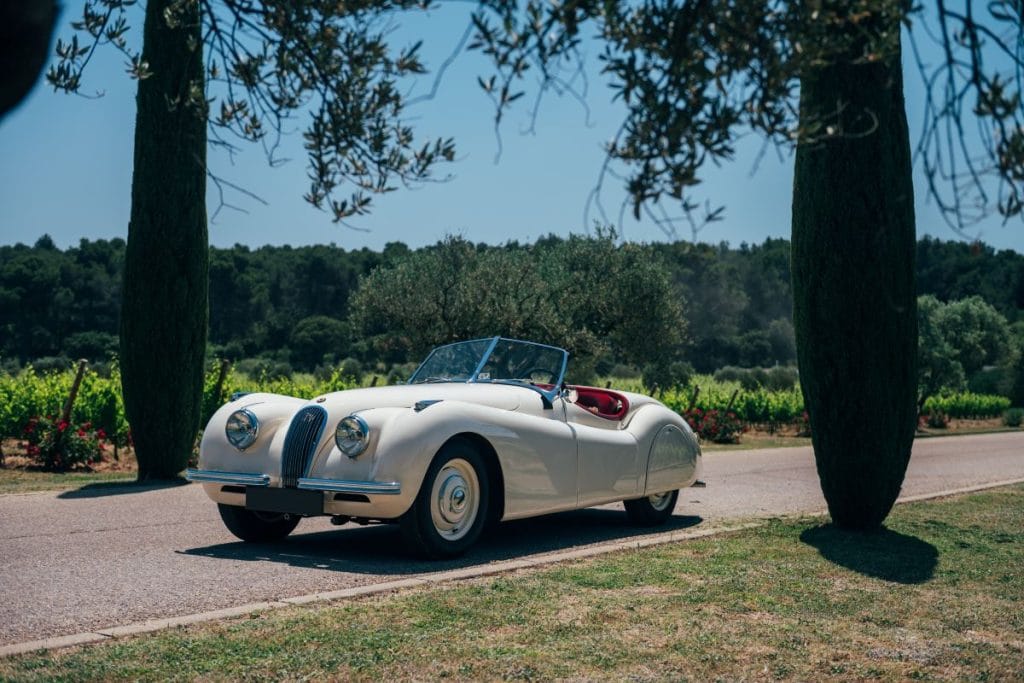
The Friday live-auction docket is genuinely special. A 1966 Porsche 906 Carrera 6 – the penultimate example built, a factory entry at Mugello, three owners from new, and more than four decades in the care of the driver who raced it. The Duckhams LM, the 1972 Le Mans prototype that happens to be the first complete design of a then-unknown engineer named Gordon Murray. A Mirage M3 Spyder that won at Imola in 1969 with Jacky Ickx driving, estimated at 600,000 – 900,000 Euros. A BMW M1 Procar at 900,000 – 1.2 million Euros. An aluminium-bodied first-generation Jaguar XK120. And a Team Lotus Type 78 – the car that introduced ground effect to Formula One, wearing John Player Special black and gold, three owners from new. (That F1 machines now anchor collector-car auctions is a story of its own – one we’re writing at length elsewhere.)





Now notice what the catalogue language emphasizes for every one of these cars. Not horsepower. Not rarity theatrics. Ownership chains. Original chassis and bodywork. Period race entries, documented. Traceability. The 906’s pitch is three owners and authenticity-first restoration; the Lotus 78’s is provenance and paper. At the summit of this market, documentation is not supporting evidence for the product – provenance and documentation IS the product. A prototype without its history is a kit car with a famous shape.
The lesson that scales down
Here’s why this matters to you, the owner of a special car that will never see the inside of an auction marquee at Le Mans: the physics are identical at $35,000. They’re just expressed in service records instead of works entry lists.

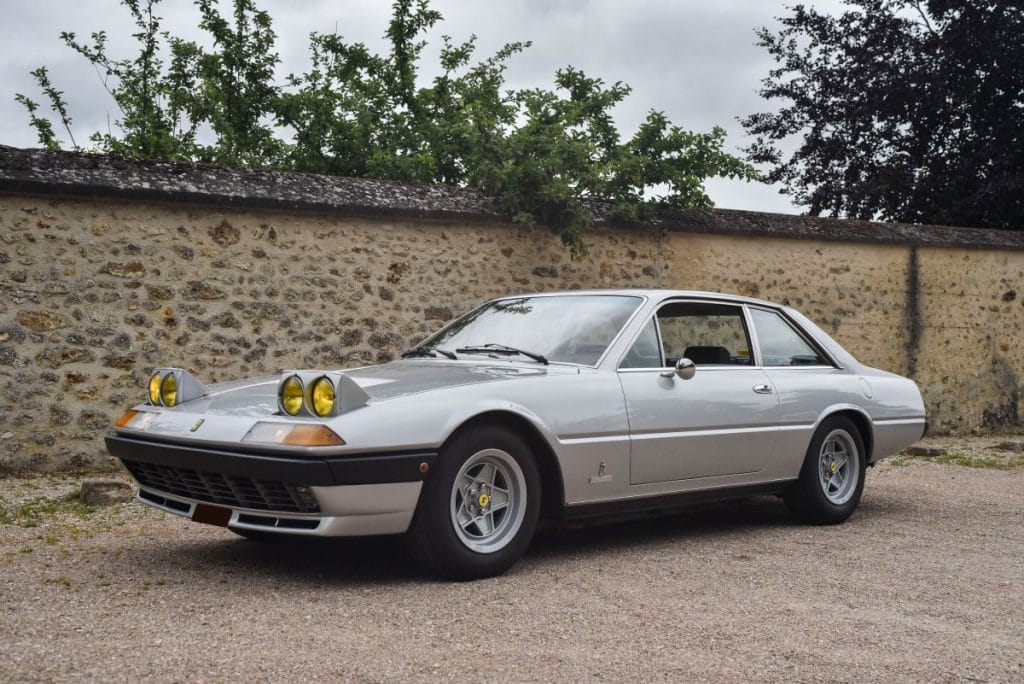
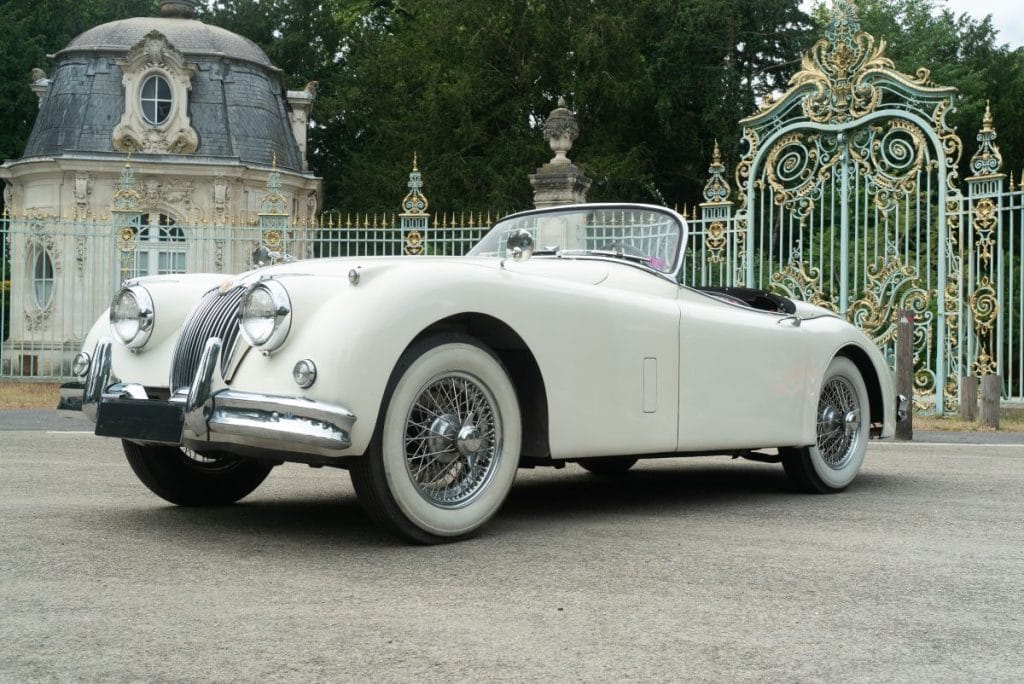
The buyer of a nice, driver-quality, entry-level collector car wants exactly what the buyer of that 906 wants – confidence that the car is what it is claimed to be, established by paper rather than by promises. The seller who can produce thirty years of invoices, an ownership chain, and honest disclosure is playing the same game Artcurial plays; the seller who offers “trust me, it’s all original” is not in the game at all. The premium for verifiable history continues to widen every year, across all price points. Our own market analysis keeps confirming it: documented drivers outrun undocumented ones by a margin that keeps growing.
The other signal: who the market is recruiting
Two details in the online sale deserve attention. First, the mix runs from a 1900 De Dion-Bouton to iconic postwar barn-find European sports cars – but Artcurial itself notes that the sports cars of the 1980s, ’90s, and 2000s have become the new stars of the market. When France’s leading auction house says the formerly quiet part in its own materials, believe it: the generational handoff in taste is no longer a forecast; it’s an inventory strategy.
Second, ninety percent no reserve. That is a house deliberately trading price protection for certainty of sale and spectacle of opportunity – and explicitly courting buyers making their very first acquisition. The institutions know where the next generation of collectors comes from, and they’re building the on-ramp. For sellers, the flip side is worth stating plainly: no-reserve is a powerful tool when the venue’s audience matches the car, and a donation to a lucky bidder when it doesn’t. The tool isn’t good or bad. The fit is everything.
The Motorcopia read
Auction results will come in this week, and some of them will make headlines. But the durable takeaways were visible before a single lot crossed the block – provenance is the product at every price level; the institutional market keeps stratifying into a headline tier and an efficient online tier; and the buyer pool is being deliberately rebuilt around a new generation with new tastes.
If you own a special car – or you’re responsible for someone else’s – those observations are worth more than any price report. Start the file. Keep the receipts. And when the time comes to sell, match the venue to the car, not to the headlines or the latest opinions.
Note: Facts and estimates per Artcurial Motorcars’ announcement of the Le Mans Classic Legend sales (official auction 3 July 2026; online-only 2 – 8 July 2026).
Publisher’s Note: All images via Artcurial Auctions.
Motorcopia covers the collector-car market from the seller’s perspective. For the complete process, including smart pricing, listings, photos, venues, and a safe close, get SOLD – The Classic & Collector Car Sellers’ Toolkit today!

David C.R. Neyens is a veteran writer/researcher/specialist in collector car sales and auctions, having written thousands of detailed vehicle descriptions and helping his clients navigate the market successfully. His expertise has helped clients earn millions through informed market participation. Motorcopia provides the analytical perspective serious collectors need to understand not just cars, but how the market actually functions. Motorcopia delivers the insider intelligence you won’t find anywhere else.
Subscribe to the free Motorcopia Newsletter today!
Need a clearer read on what your collector car may be worth? Motorcopia ValueScope™ combines recent comps, market context, condition-based pricing, and reserve strategy to help sellers and collectors make better-informed decisions.
Get that special car advertised and sold quickly and easily with SOLD – The Classic & Collector-Car Sellers’ Toolkit! Now available on Amazon for Kindle and e-readers and the full, downloadable and printable PDF version on Gumroad.
SOLD – The Classic & Collector Car Seller’s Toolkit helps sellers and families get organized before they sell. Motorcopia’s ValueScope™ analysis helps them understand what the vehicle may be worth in today’s market before they decide on what to do next. Motorcopia helps them choose the right path with the right tools before costly mistakes are made.
If you have a special vehicle and need to sell, contact David at admin@motorcopia.com to discuss your needs and how he can help you to go from 0 to SOLD today!
Leave a Reply